• Discover the Hidden Magic of the British and Irish folk and fables

    Ever wondered about the ancient stories buried beneath the soil of Britain and Ireland, or the haunting melodies played in dark pubs and around bonfires?

    If you love mythology, ghost stories, and traditional acoustic music, you need to check out this incredible new digital archive. It brings the rich oral traditions of England, Scotland, Wales, Ireland, and Cornwall right to your screen.

    🌟 What You’ll Find Inside:

    Explore British folklore and Irish mythology. Read about the mischievous Púca and the majestic Selkies to regional ghost stories and localized seasonal rituals.

    Explore curated collections of traditional folk music, featuring historical background on old sea shanties, murder ballads, and Celtic jigs.

    The Instruments: Learn about the history behind the sounds, from the uilleann pipes and fiddle to the bodhrán and the hurdy-gurdy.

    These are some of the topics to be explored in future posts on British and Irish Folklore and Fables.

    🔗

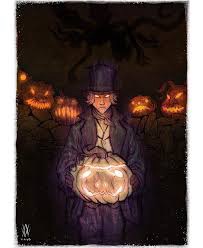
  • Although the wind howled through the skeletal trees of the Irish countryside, it wasn’t nearly as cold as the breath of the man sitting by the hearth. They called him Stingy Jack. He was a silver-tongued drunkard, a cheat, and a man so wicked that even his own shadow seemed to shrink away from him.

    One dark night, Jack’s sins finally caught up to him. The Devil himself appeared at the tavern door, his eyes burning like hot coals, ready to drag Jack’s wretched soul down to Hell.

    But Jack didn’t panic. He smiled a wicked smile.

    “I’ll go gladly,” Jack whispered, his voice like dry leaves. “But allow a dying man one last drink? I haven’t a coin to pay for it.”

    The Devil, amused by the mortal’s nerve, transformed himself into a silver coin to pay the bartender. Quick as lightning, Jack snatched the coin and shoved it into his pocket—right next to a crucifix he had stolen earlier. The holy cross stripped the Devil of his power. Trapped in the dark pocket, the Devil screamed and cursed, but Jack only laughed. He refused to let the Devil free until Satan promised never to claim his soul. Left with no choice, the Devil agreed.

    Years later, Jack’s body finally withered and died.

    He climbed the stairway to the Gates of Heaven, but Saint Peter stopped him at the threshold. “You are too cruel, too greedy, and too deceitful for this holy place,” Peter said, slamming the golden gates shut.

    With nowhere else to go, Jack descended into the abyss of Hell. But at the obsidian gates, the Devil barred the way. “I keep my oaths, Jack,” Satan hissed, a vengeful grin splitting his face. “Your soul belongs to no one. You are banished.”

    “But it is so dark!” Jack cried out into the endless, suffocating void. “How am I to see where to walk?”

    The Devil chuckled, reached deep into the infernal furnace of Hell, and scooped out a single, unyielding clod of burning coal. He threw it at Jack’s feet.

    Jack looked down. He had no lantern. Desperate to protect his only light from the freezing winds of purgatory, he took a turnip from his pocket, hollowed it out with his pocketknife, and placed the hellish ember inside.

    From that night on, Jack of the Lantern was doomed to wander the lonely bogs and misty moors between the worlds of the living and the dead. On chilly October nights, if you see a strange, flickering light bobbing through the darkness, do not follow it. It is Jack, forever searching for a place to rest, trying to lure unsuspecting souls into the deep, dark marshes to join him in his eternal exile.

  • The Ancient Autumnal Rituals that became Halloween or Samhain

    Autumn across the UK and Ireland has historically been a transitional, liminal time where the boundaries between the human world and the supernatural wearing incredibly thin. This time of year—culminating in the ancient Celtic festival of Sanheim, the precursor to modern Halloween. This inspired numerous haunting legends, mythical entities, and nature-based warnings

    Halloween or Samhain

    Halloween is a globally celebrated autumn holiday that seamlessly blends ancient pagan rituals, Christian holy days, and modern community festivities.Observed annually on 31st October, the holiday is famous today for its playful focus on the supernatural, costume parties, pumpkin carving, and trick-or-treating.

    The Origins: From the Ancient Fire Festival to the Modern day Halloween

    The Celtic Roots (Samhain): More than 2,000 years ago, the Celts of Ireland, the UK, and northern France celebrated Samhain on 31st October. This festival marked the end of the harvest and the start of the dark winter. The Celts believed the boundary between the living and the dead became blurred on this night, allowing ghosts to roam the earth. To confuse these wandering spirits, people wore disguises made of animal skins and lit massive communal bonfires.

    The Christian Influence (All Hallows’ Eve): As Christianity spread, the Catholic Church adapted these existing customs. In the 8th century, the Church moved All Saints’ Day (also called All Hallows’ Day) to 1st November. The night before naturally became All Hallows’ Eve, a phrase that gradually morphed over the centuries into the word “Halloween.

    “The Transatlantic Shift: The way Halloween is took its modern shape in the 19th century when millions of Irish and Scottish immigrants moved to North America. They brought over traditions like carving scary faces into vegetables—swapping the traditional hard European turnips for softer, native American pumpkins. By the mid-20th century, Halloween had shed most of its dark, superstitious roots to become a highly commercialised, family-friendly event centered on neighborhood trick-or-treating.

    Modern Traditions and What They Mean

    Trick-or-Treating: Derived from the medieval Christian practice of “souling,” where the poor would knock on doors offering prayers for the dead in exchange for small “soul cakes.” Today, children dress up and go door-to-door to collect sweets.

    Jack-o’-lanterns: Based on an Irish folktale about Stingy Jack, a man doomed to wander the earth with only a burning coal inside a hollowed-out turnip to light his way.

    Costumes: A direct evolution of the ancient Celtic practice of masking oneself to hide from malevolent spirits. Today, costumes span from classic monsters like witches and vampires to pop-culture heroes.

    The night of 31st October marks a grim, centuries-old threshold when the shroud between the living and the dead wears dangerously thin. While modern culture has sanitized the date with plastic decorations and sweet wrappers, Halloween is at its core a relic of ancient dread—an annual reckoning with winter, darkness, and the hungry spirits that walk within them.

    The Ancient Cult of Samhain

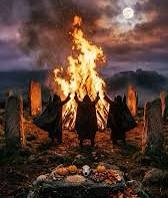
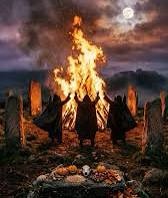
    The true foundations of Halloween lie buried in the iron-age soil of Ireland and Great Britain, rooted in the ancient Celtic fire festival of Samhain. For the Celts, this night marked the violent death of the old year and the onset of a brutal, unforgiving winter. It was a terrifying, liminal window where physical reality collapsed into the supernatural. The dead arose from their barrows, and malicious, primordial entities crossed over from the Otherworld to torment mortals and blight the final harvest.To survive the night, people huddled around colossal, sacrificial bonfires lit by Druid priests. They blackened their faces with ash or wore grotesque masks fashioned from animal skulls and hides—not for amusement, but as essential camouflage to trick the roaming phantoms into passing them by unnoticed.

    The Christian Sanitisation

    Christian missionaries swept across the Celtic lands, they sought to tame this deep-seated fear of the dark. The Church superimposed All Hallows’ Eve (the night before All Saints’ Day) directly over Samhain, attempting to redirect pagan terror into pious devotion. Yet, the old ghosts refused to be buried. The populace simply adapted, morphing the ancient dread into medieval rituals like “souling”—where the desperate and destitute walked the cold nights, begging for cakes in exchange for praying for souls trapped in the agonizing fires of Purgatory. The Emigrants’ Legacy and the Modern Shadow.

    When the Irish fled the starvation of the 1840s Potato Famine, they carried these dark superstitions across the Atlantic. Among them was the haunting legend of Stingy Jack, a wretched soul barred from both Heaven and Hell, condemned to wander the eternal twilight of earth with nothing but a ember of hellfire nestled inside a carved turnip. In the New World, these lanterns were transplanted into native pumpkins, creating the jagged, grinning visages we know today—originally carved to terrify and ward off the wandering dead. Today, every time a costume mask is pulled over a face, a candle is lit inside a hollowed-out skull, or a door is opened to the shadows of the night, we whisper a modern echo of an ancient, terrifying truth: the dark is coming!

    To survive the suffocating dark of Samhain, the ancient Celts did not merely hide—they engaged in bloody, desperate rituals to appease the entities ruling the night. These ancestral rites were designed to protect their families, predict their fates, and secure their survival through the freezing months ahead.

    The Sacrificial Bonfires and Blood Rites

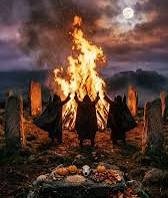
    As the sun set on 31st October, every hearth fire across the Celtic lands was deliberately extinguished, plunging entire villages into a terrifying, absolute blackness. The community then gathered on sacred hilltops, such as Tlachtga (the Hill of Ward) in Ireland. There, Druid priests kindled a massive, singular communal bonfire using a wheel to generate friction, symbolizing the dying sun.

    Animal Sacrifices: To feed and placate the aggressive gods and wandering spirits, livestock were slaughtered and cast into the roaring flames. The bones were left to burn into ash, creating a literal “bone-fire.

    “The Shared Flame: Once the dark gods were satisfied, heads of households would take a glowing ember from this sacred pit inside a hollowed-out turnip or a dynamic torch. They ran through the dark to relight their own cold hearths, bringing a spark of protective magic back to shield their homes from winter’s malice.

    Dark Camouflage and Silent Feasts.

    The boundary between worlds was a two-way door. While spirits walked the earth, living humans risked being pulled back into the burial mounds of the Sidhe (the fairy realm).

    Masking with the Dead: To walk among the spirits safely, Celts wore grotesque disguises. They draped themselves in the tanned skins and hollowed-out skulls of sacrificed cattle and smeared their faces with black bonfire ash. If a phantom encountered them in the dark, it would mistake the living person for a fellow corpse or demon and pass them by.

    The Dumb Supper: Inside the home, families laid a place at the dinner table in complete, heavy silence—a ritual known as the “Dumb Supper.” Food was left out for the ghosts of ancestors who might visit, while windows and doors were left unlocked to allow them entry. Conversely, outside the boundaries of the village, offerings of crops and drink were left in ditches to distract more malevolent, non-human entities from approaching the home.

    Cruel Divinations

    Because the veil was torn, the Celts believed the fabric of time itself was loose, making Samhain the premier night for peering into the future. Druids would read the agonizing death throes of sacrificed animals or study the erratic shapes of the bonfire’s smoke to predict who would survive the coming winter. Regular folk practiced their own grim fortune-telling. They would drop stones into the dying embers of the festival fire, each stone representing a person. If a stone was displaced or missing by the following morning, it was a certain omen that the person it belonged to would die before the next harvest.
  • The Ancient Dark: The Celtic Roots of Samhain

    Modern Halloween finds its bloody and visceral roots in  Samhain  (pronounced ‘sow-in’), a pagan pastoral festival celebrated over 2,000 years ago by the Celts across Ireland, Scotland, and the Isle of Man. Marked from sunset on 31 October to 1 November, Samhain signaled the death of the harvest year and the onset of a brutal, dark winter.

    The dark reality of pagan ritual was eventually colonised by the Christian Church. In the 8th century, Pope Gregory III shifted All Saints’ Day (originally celebrated in May) to 1 November. The evening preceding it became All Hallows’ Eve, later compressed into Halloween.

    To the Celts, time was cyclical, and the transition between the old year and the new created a liminal space. During this night, the veil separating the physical world from the mythical Aos Sí (the Otherworld) grew dangerously thin. The dead, alongside malevolent spirits, demons, and shapeshifting fairies, breached the boundary to walk among the living.

    Blood, Bone, and Flame: Ancient Rituals

    The rituals of Samhain were grim measures designed to placate unpredictable deities and protect communities from cosmic terror.

    • The Assembly of Tlachtga: The spiritual epicentre of Samhain was the Hill of Ward (Tlachtga) in County Meath, Ireland. Druids gathered here to ignite a massive ceremonial bonfire. All domestic hearths across the land were extinguished and could only be systematically re-lit using embers from this sacred flame.
    • The Gate to Hell: At the cave of Oweynagat (the Cat’s Cave) in Rathcroghan, County Roscommon, locals lived in absolute dread of October 31st. They believed the cavern was a literal portal to the underworld, through which copper-skinned monsters, three-headed birds, and destructive spirits emerged to ravage the landscape.

    • Human and Animal Sacrifice: As livestock were brought in from summer pastures, the weak were slaughtered. Archaeological findings suggest that crops and animals were cast into the fires as tribute to the gods. More darkly, historians associate the season with ritual killings. The Discovery of Irish bog bodies revealed victims of the ‘threefold death’—simultaneously strangled/wounded, burned, and drowned—hypothesised to be sacrificial kings offered to appease the gods and ensure the return of spring.

    The Christian Assimilation and Medieval Metamorphosis

    Rather than erasing the existing pagan customs, the Church re-engineered them:

    1. Guising and Souling: The Celtic tradition of guising—wearing horrific costumes made of animal skins and masks to deceive wandering monsters—fused with the medieval English practice of souling. The poor went door-to-door offering prayers for deceased relatives in exchange for soul cakes.
    2. Vegetable Reliquaries: The iconic pumpkin lantern was originally far more gruesome. In Ireland and Scotland, people carved grotesque, weeping faces into stubborn, pale turnips and large potatoes. Illuminated by a single candle, these heavy roots were placed on doorsteps to ward off wandering entities, or to represent souls trapped in purgatory.

    The Present-Day UK and Ireland: From Horror to Commercialization

    During the 19th century, millions of Irish and Scottish migrants fled famine and poverty, bringing these grim seasonal traditions to North America. There, the harsh turnip was replaced by the softer, native, and far more pliable American pumpkin.

    By the late 20th and early 21st centuries, this Americanised, highly commercialised iteration of Halloween exported itself back to the UK and Ireland. The ancient psychological dread of wandering spirits has transitioned into plastic decorations, packaged confectionery, and Hollywood slasher tropes.

    Yet, the ancestral darkness survives under the surface. Massive carnivals like the Derry Halloween Festival in Northern Ireland still use dark storytelling, fire displays, and costumed parades to directly channel the primordial, eerie energy of the original Samhain.


  • Day trip to York

    It had been such a long time since we last visited York, so I felt it was time to rectify this.

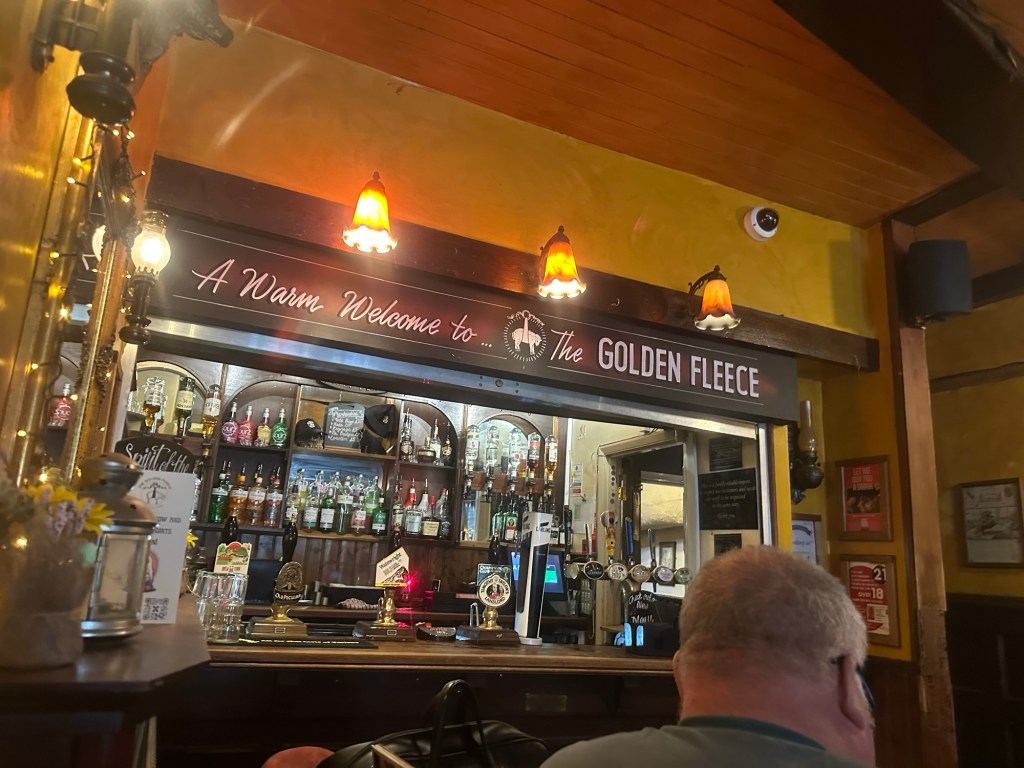
    We did the journey by car, which took around two hours, arriving around 11pm. Ready for something to eat and drink, we went into York’s supposedly most haunted pub, the Golden Fleece. A very atmospheric pub, adorned with skulls, suits of armours, framed ghost stories. After finding seats we ordered lunch, which was a bit disappointing as it was mediocre and a bit cold. But still, it was good to visit such an iconic establishment.
    The Golden Fleece
    The bar at the Golden Fleece

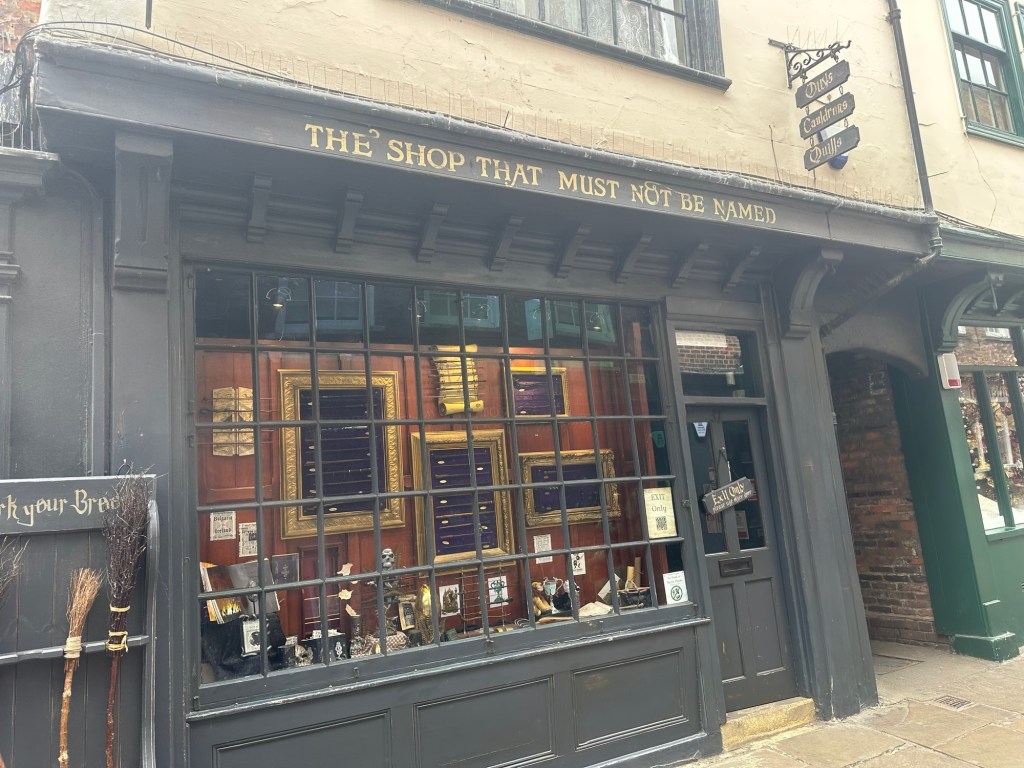
    Next we popped into the Harry Potter Store, ‘The Shop that must not be named’. Packed with beautiful Harry Potter merchandise, we purchased some lovely souvenirs and enjoyed a good look around.
    The Shop that must not be named, situated on the shambles

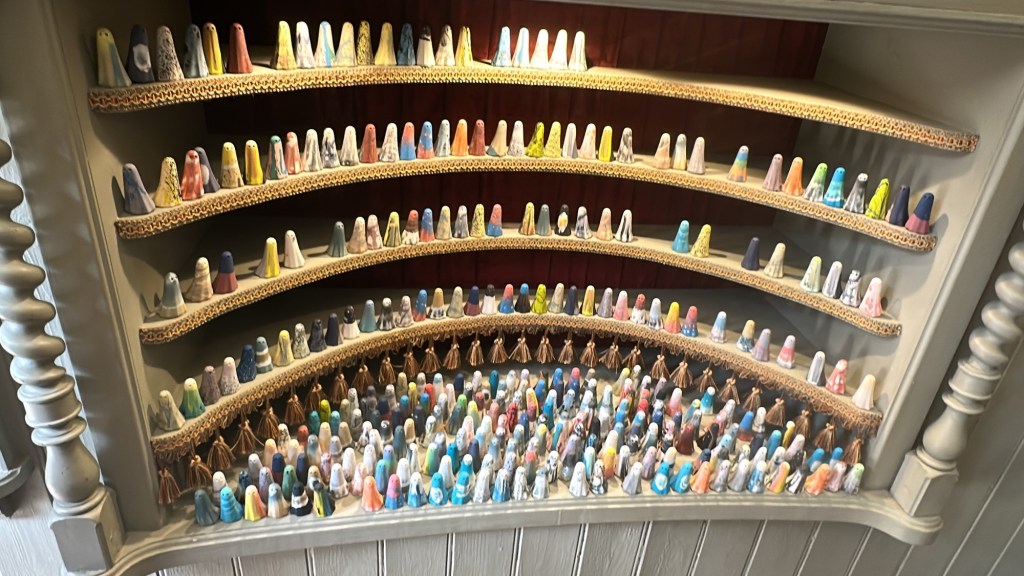
    We have been wanting to visit the York Ghost Merchants for some time, so we rushed to their store on the Shambles and were disappointed to find it was closed. Luckily there was another Outlet about 5 minutes walk away. Here we were delighted to find it was not only open, but there were no queues. Apparently the queues to buy these little ghosts can be about 3 hours long, so we picked a good time to try the Ghost Merchants. We bought 4 ghosts and photographed them on their own little display case. I had no idea these ghosts were so popular and highly collectible little items. I will write more about the Ghosts in a separate post.

    The York Ghost Merchants

    For the last part of our day out, we did a Harry Potter Location Tour. This was a marvellous little two hour tour. Unfortunately there was only the three of us on the tour but the young lady who acted as our guide was very impressive. She interspersed the walking tour with several Harry Potter quizzes- my daughter loved this as she’s a bit of a Harry Potter expert. We saw and learned about so much more about York than we would have done just walking about on our own. From the various ghosts of York and Harry Potter filming locations to the cats that adorn the rooftops of many establishments, we learned quite a lot in a short time.

    After the tour, there was just time for a quick drink in one of the local bars near car park and then off for the drive home.

    We plan to return soon to York for an overnight stay to take in the Jorvik Viking centre and hopefully an evening ghost tour.

  • Costco always has an interesting range of Christmas decorations and this year is no exception, all at great prices.

    This gigantic, prelit Christmas Tree comes in at £849 – perfect for a house with a large vestibule or the entrance to a retail/business premises. Very tasteful with predominantly blue shades.

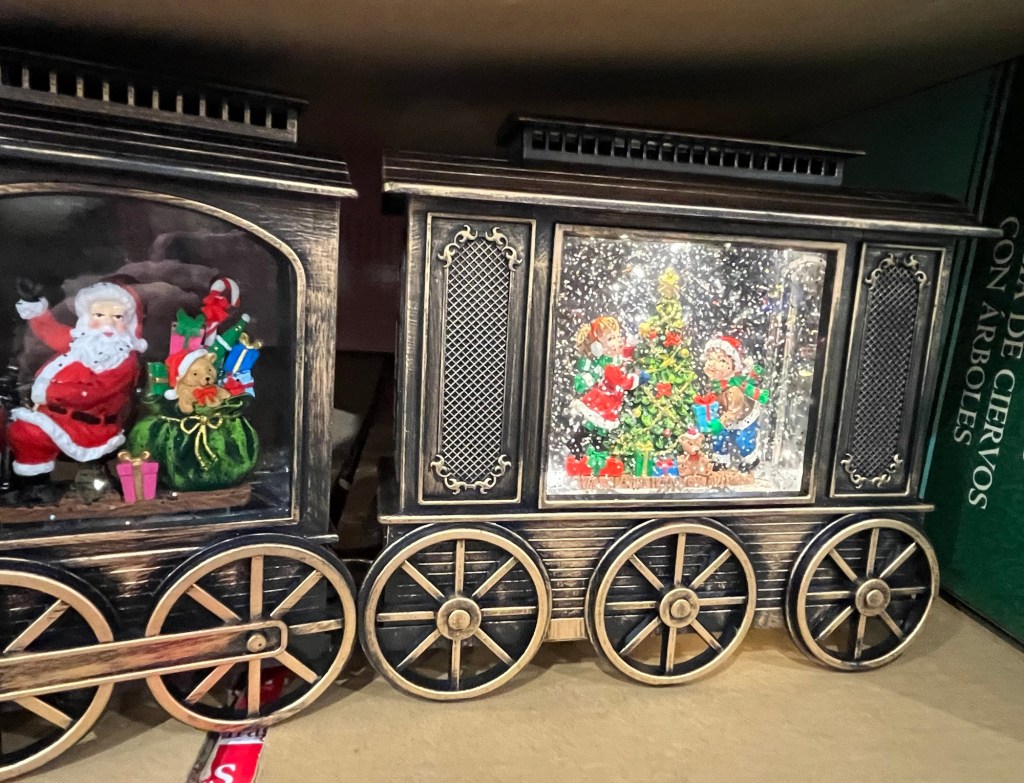
    This cute 2-piece LED lighted water Santa Train is 7.5 inches high and has a Motion Glitter Assortment. It comes in brushed bronze or Pewter and doesn’t require batteries. It’s prices at £49.99.

    I also loved this Pre-lit 6.5 ft Christmas Tree – a bargain at £299.99 with 1500 LED Micro dot LED lights. Takes the hassle out of decorating the tree if it’s not something you enjoy doing.
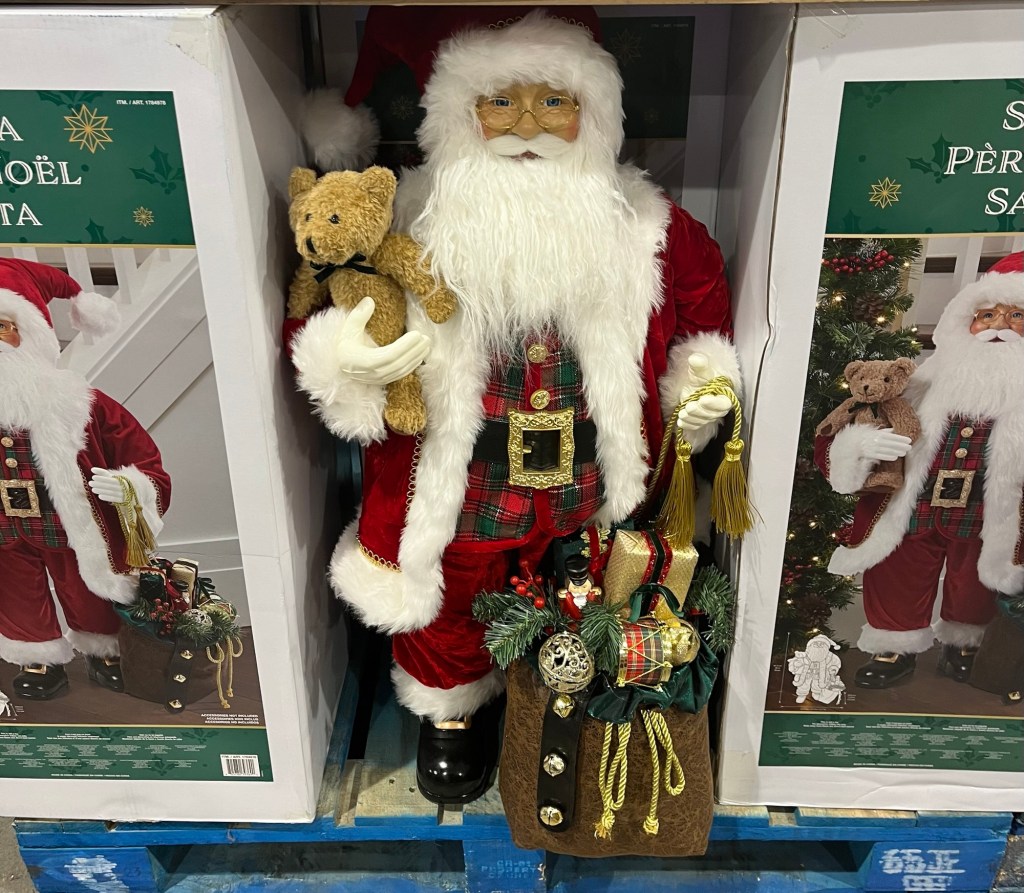
    This jovial 3ft plush Santa is particularly charming, with his hand sculpted face and a soft fur beard with glasses. He comes with pre-attached accessories and cost just £99.99
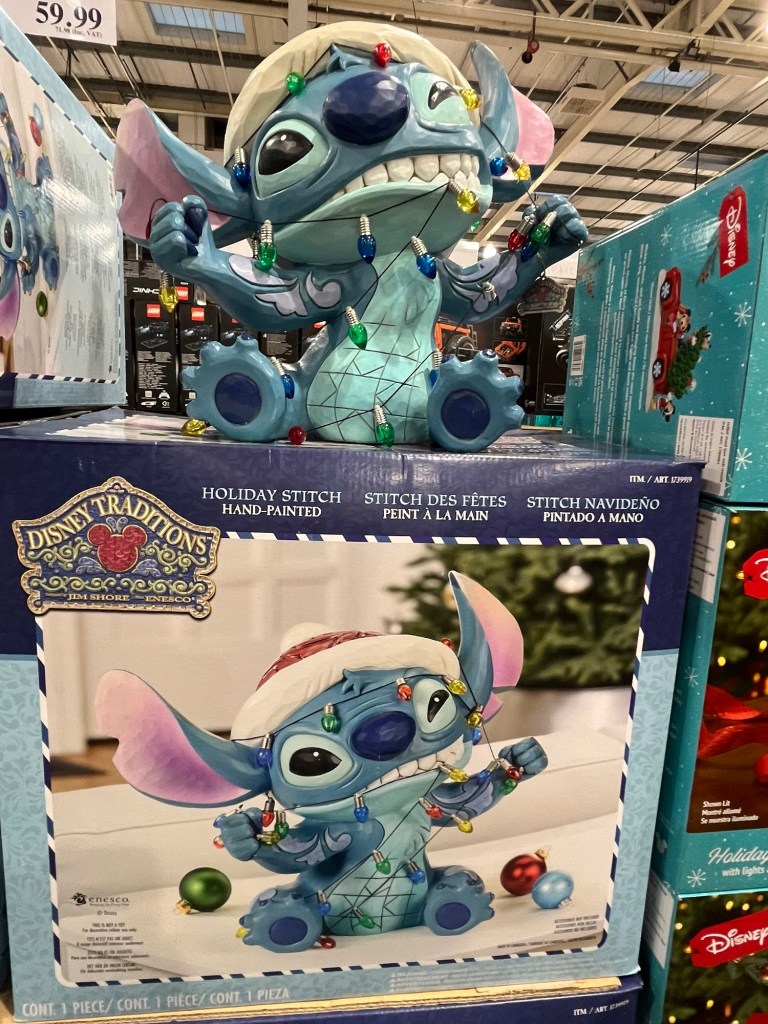
    For the Disney lovers, Costco has a high-quality stone resin 14 inch Holiday Stitch. It’s actually hand-painted by Jim Shore and cost £79.99
    Costco’s Reindeer Family are a great buy at £249.99 and can be used indoors or outdoors. The set comes in 3 parts and the Buck is 76”, the Doe 60” and the fawn is 45”. They contain 729 twinkling LED lights and a 10m adaptor

    The Christmas stock is too large mention all, but this video gives a flavour of the products included

  • Taskers Christmas Display

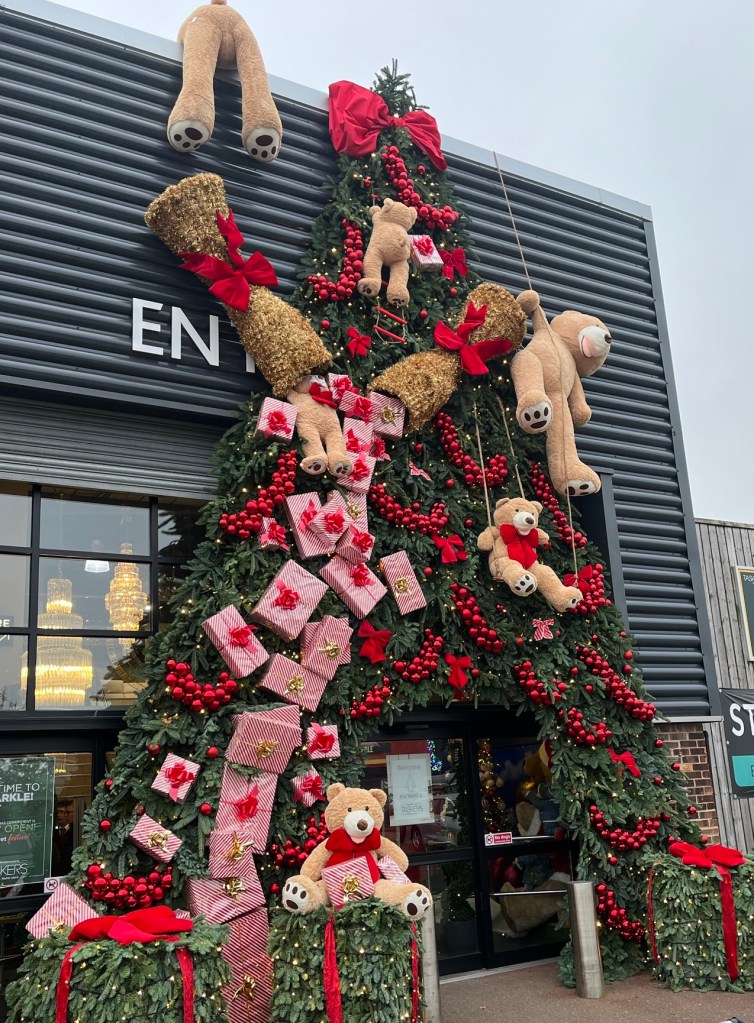
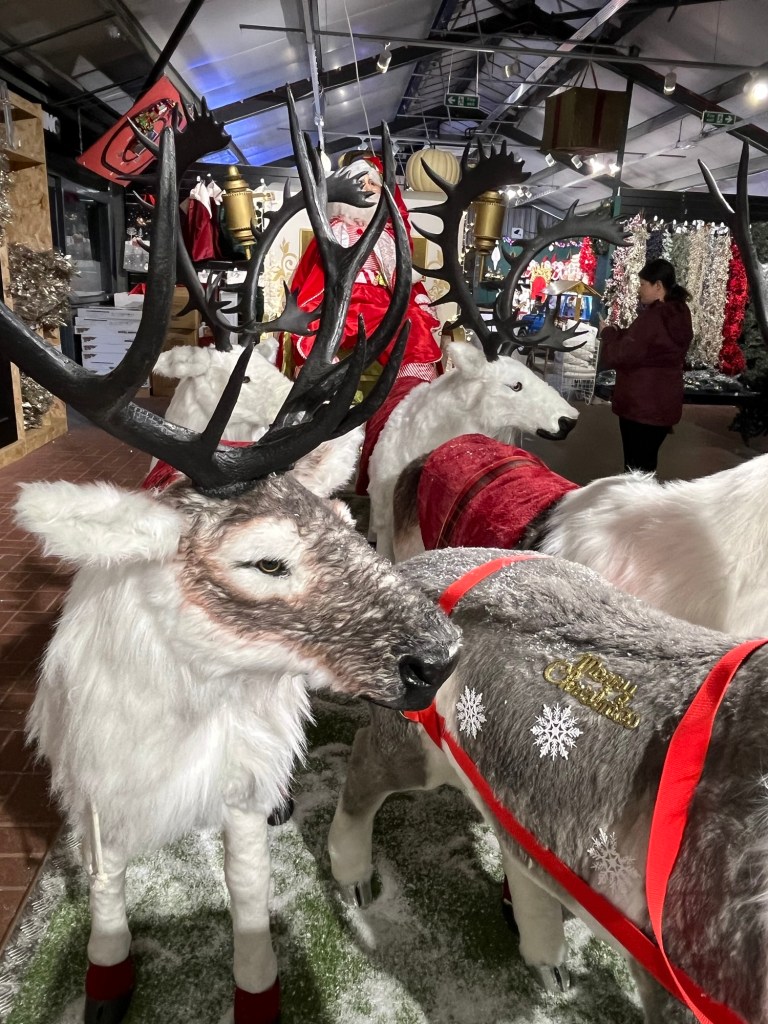
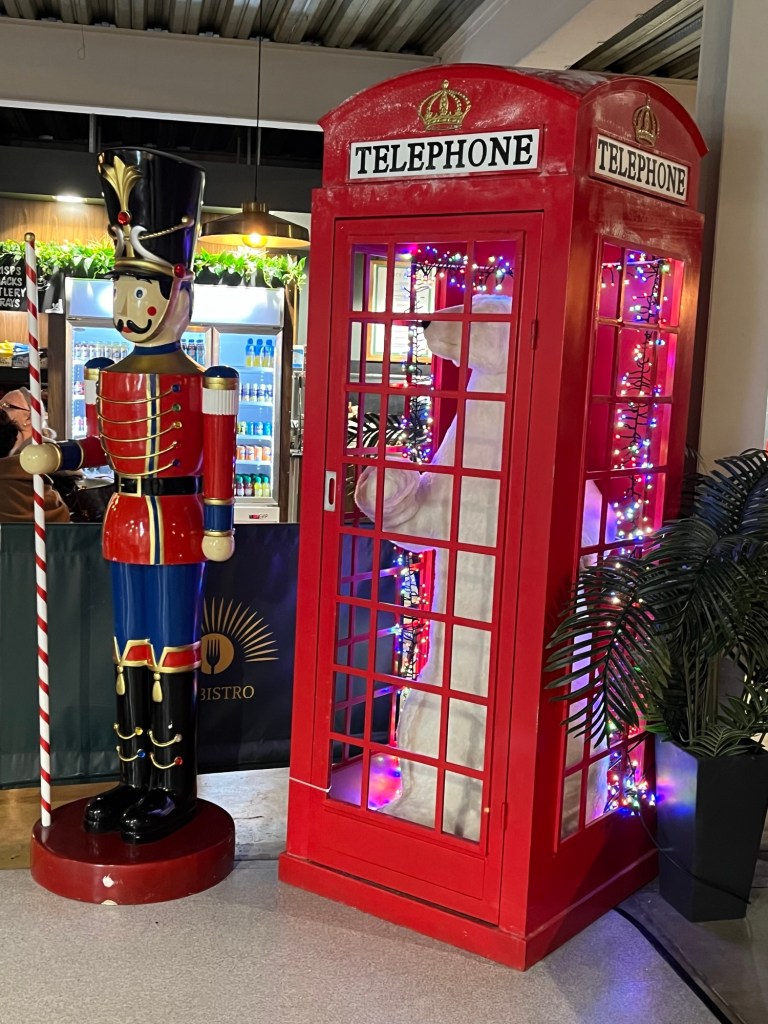
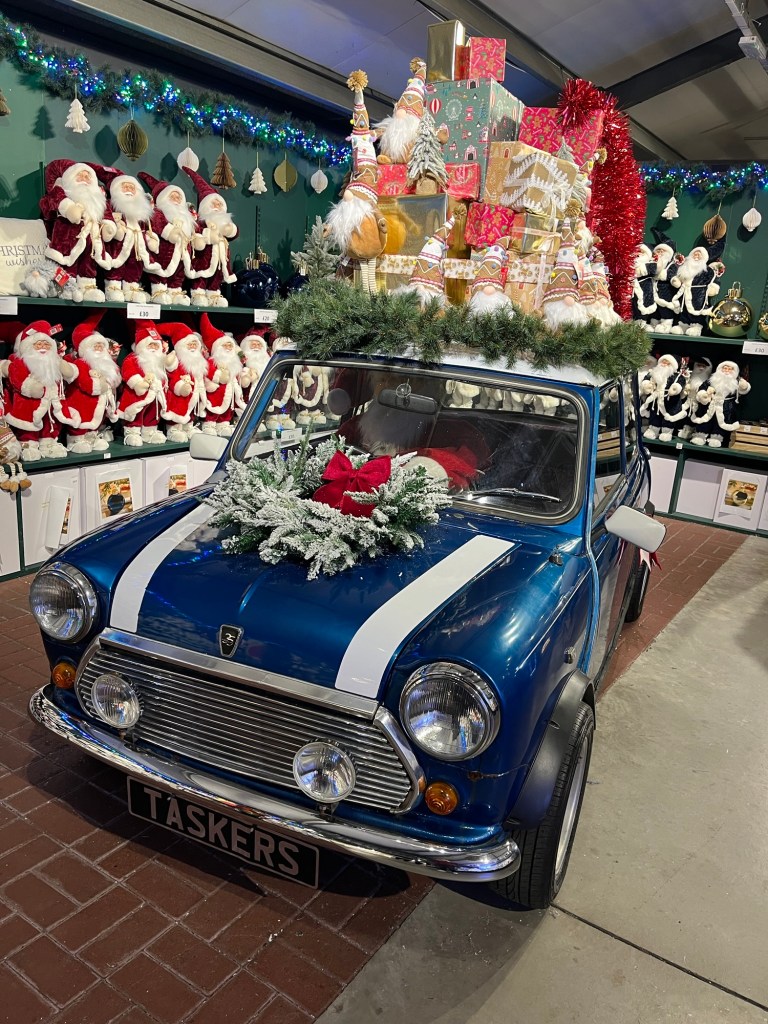
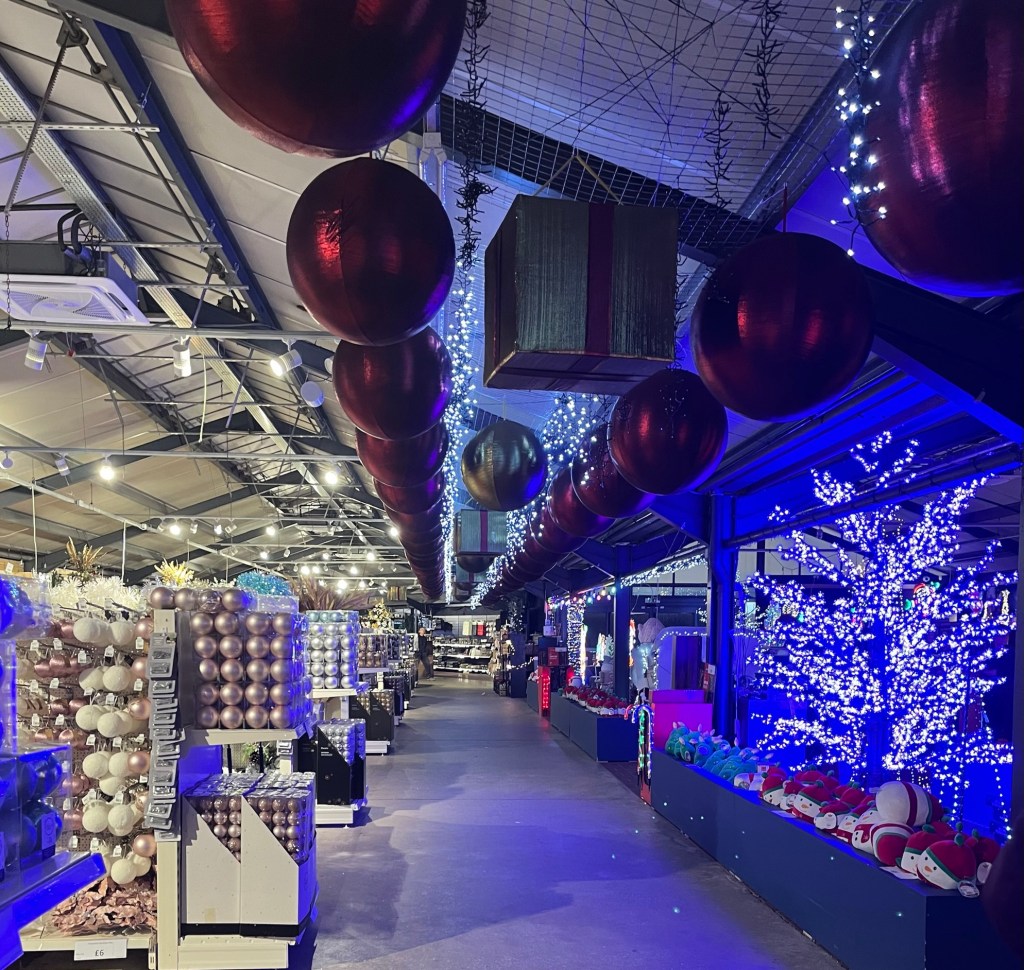
    Easily one of the best Christmas Displays in Liverpool, we took time out to catch Taskers festive collection. As soon as we walked into the Christmas department we were hit by the aroma of rich scented winter candles (sandalwoods, frankincense, patchouli, cinnamon, nutmeg, orange and clove to name a few). We then walked into an absolute wonderland of fluffy, moving animals, reindeers pulling sleighs, ruddy-faced Santas, and rows of twinkling, glittering trees and Christmas ornaments.

    From the stunning decorated arch at the entrance to the glittering merchandise and fabulous ornamental horses, bears and wolves, the entire Taskers Christmas Display is a totally fabulous experience.

    (more…)
  • Shiverpool

    Tonight was a fun and pretty scary Sunday evening. We did a street tour with the Shiverpool group for the first time. Luckily the weather was quite mild for the 3rd November – the kind of evening that has a wisp of smoke in the air and a backdrop of random explosive noises from the fireworks being set off early. It was also eerily light way into the evening as the pollution from the many street lights cast a soft glow over the streets.

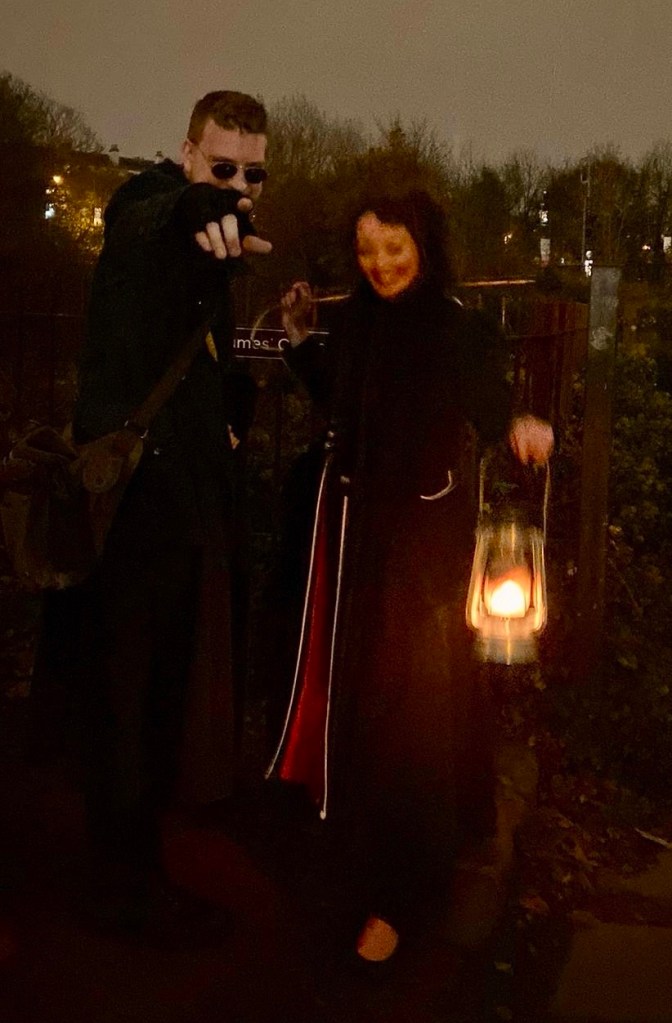
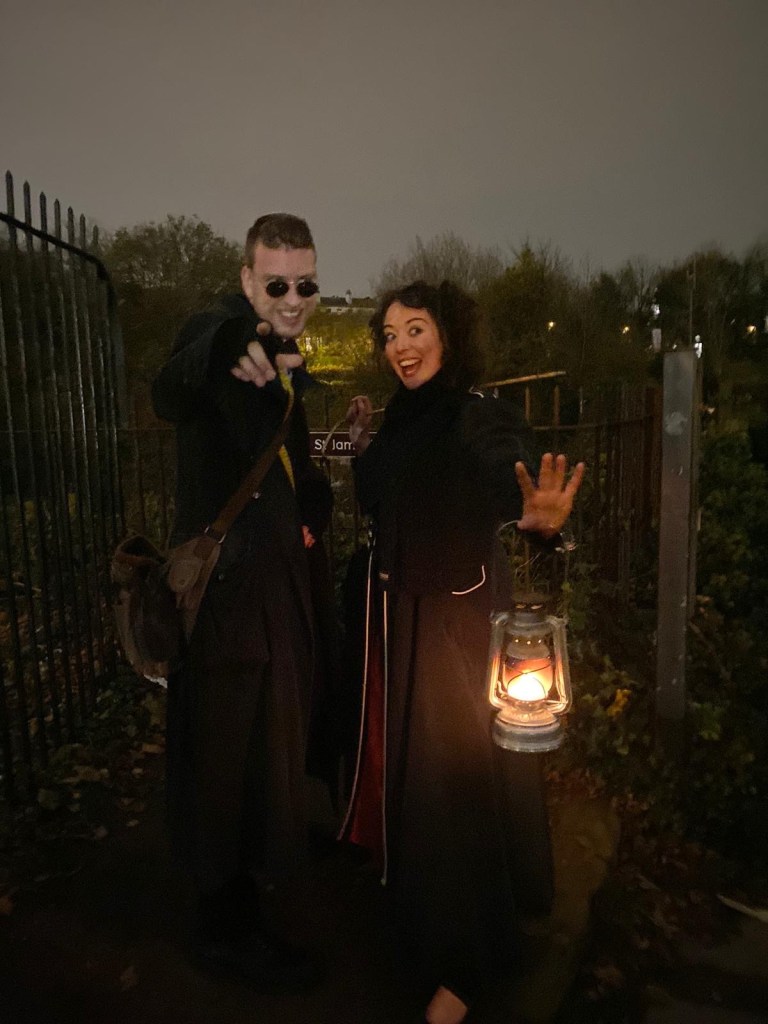
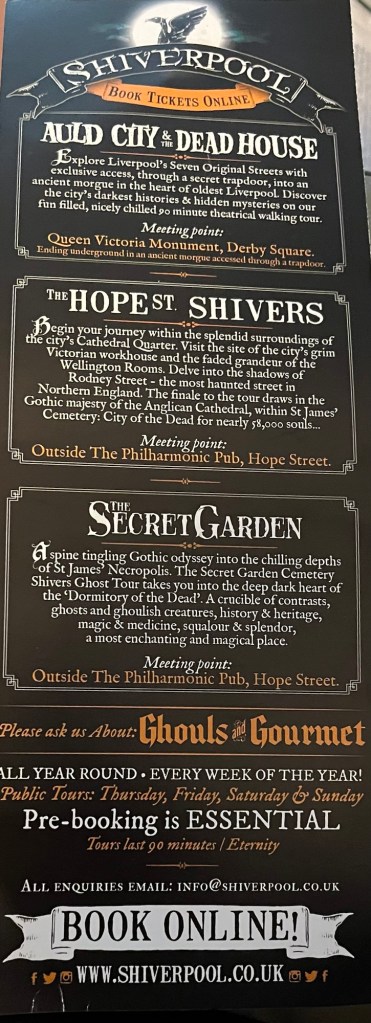
    We met with the rest of the people on the tour outside the Philharmonic Pub on Hope Street at 4.30, a group of around almost 40 folk. Immediately we were herded onto a tight group by the effervescent Victorian/Dickensian garbed duo, Indiana Bones and his ‘sister’ Chiller Black. This sinister pair shepherded us throughout the tour with great energy and panache. I can’t commend this pair of young actors highly enough and their sense of drama and story-telling made for an exciting and fun experience. Indiana never missed an opportunity to make us jump and he seemed to be everywhere at once.

    As we set off on our tour, each road we crossed we were told by the manic duo to raise our hands and wiggle our fingers and shout ‘Green Demon’ at the unsuspecting traffic lights to encourage them to change colour. Otherwise we would need to sacrifice one of the child tour members or ‘goblins’ as the pair called them. Most people were giants or goblins – and sensibly, the smaller goblins were told to stand at the front and giants at the back during our huddled ghost stories.

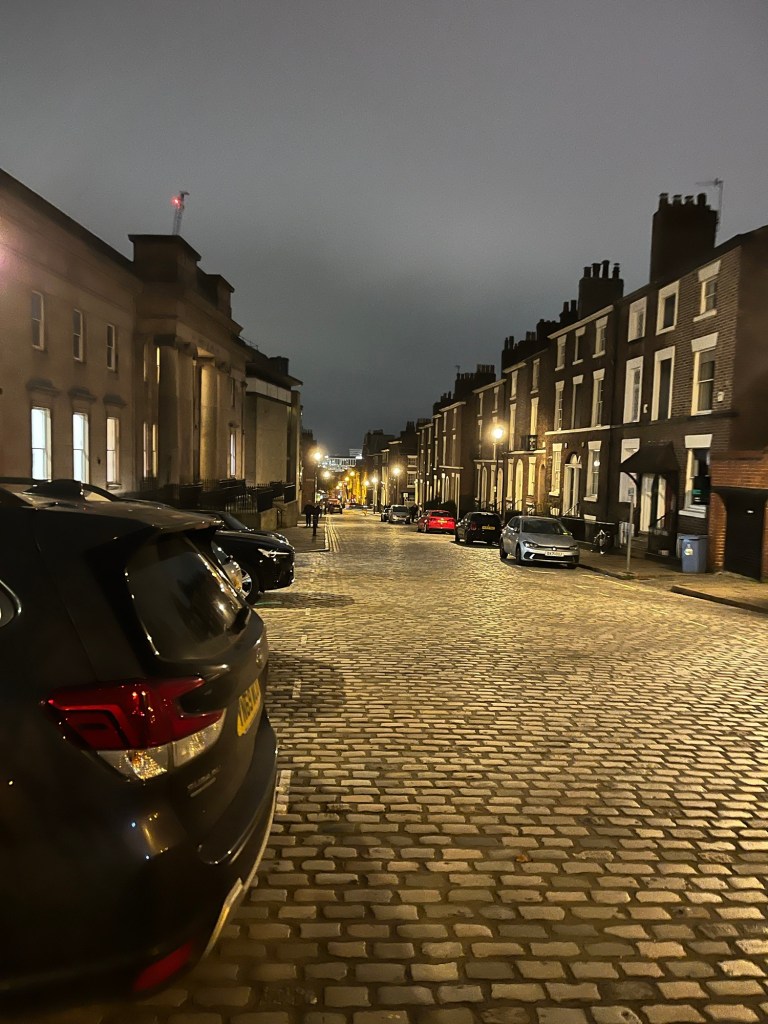
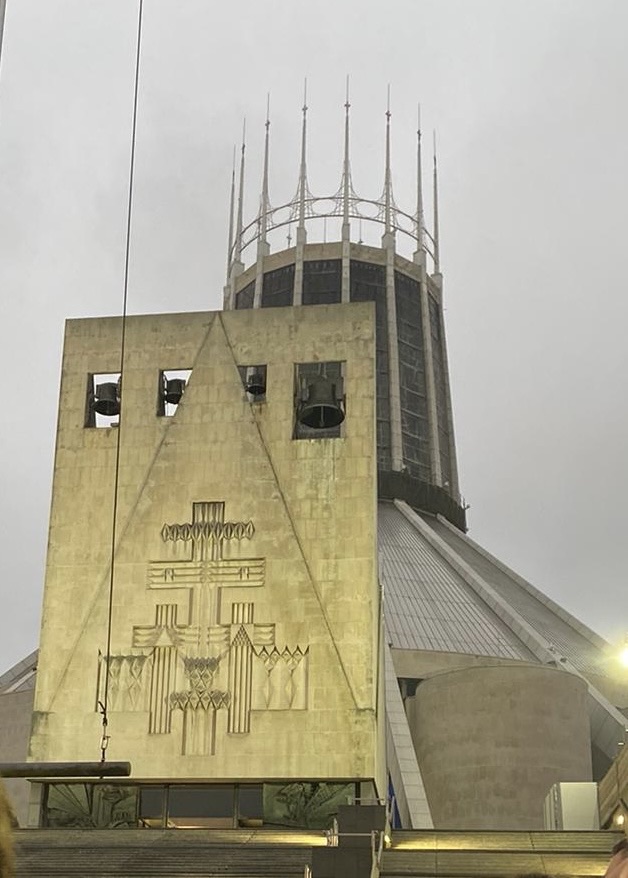
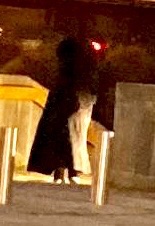
    We stopped at strategic points for some spooky tales while Cilla sometimes posed as a black robed phantom or Indiana lurked or leaned nonchalantly against a wall looking suitably menacing. We were enthralled by many ghostly tales, including the alleyway were ley lines caused people to feel strange and people were murdered. We visited the metropolitan Cathedral and heard tales of ghostly apparitions and attempted suicides. Then we were off to Rodney Street to William MacKenzie’s pyramid tomb and the story of how it came to be. Next, we were escorted to the steps outside of Blackburne House where we sat to listen to a gruesome tale body snatching, involving a house in Hope Street. Finally, we headed to the spookiest location of all; the atmospheric tunnels of St James Cemetery. We were chilled as we lined the tunnel while Mr Bone’s figure was eerily silhouetted in the lamplight. He enthralled us with more tales and sinister threats in his sing-song voice, reminiscent of Johnny Depp’s Sweeney Todd.

    The tour ended here after running slightly late, and these fabulous street actors obligingly posed for photographs with individual groups, offering to answer any questions we may have. I would have no hesitation in recommending Shiverpool Tours and will definitely be booking some of the other tours on offer.

    Were we sat at the top of Hope Street to listen to gruesome tales of Body Snatching

    Ghostly figure by the Metropolitan Cathedral
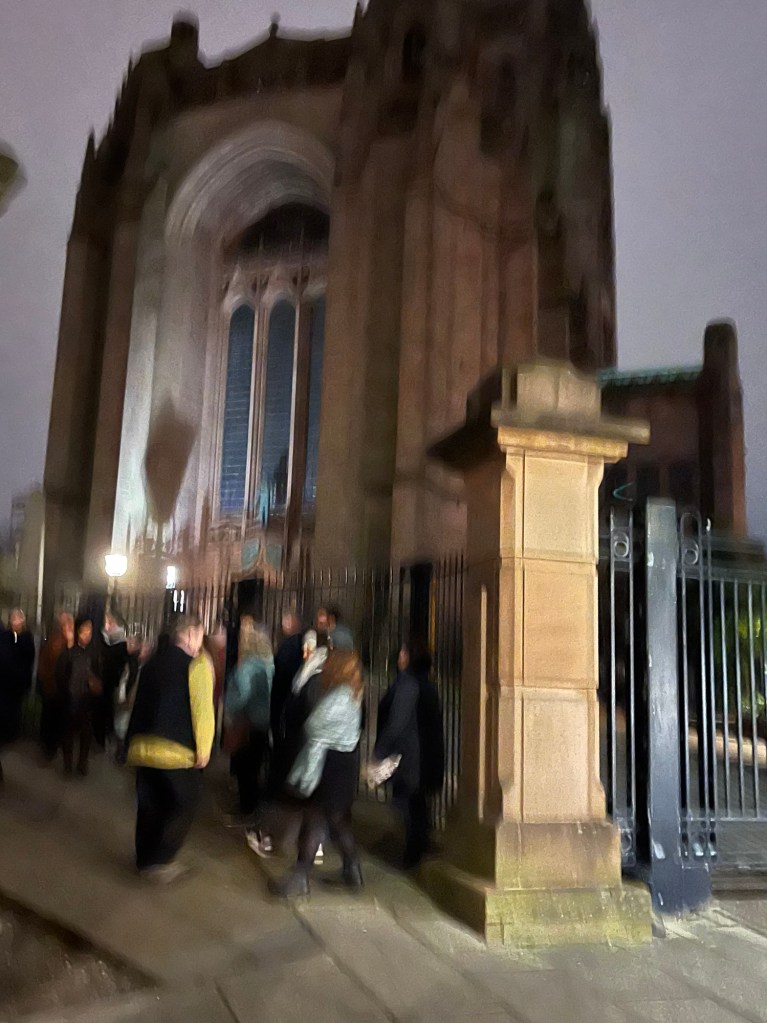
    Waiting to go into St James Cemetery gardens
    Indiana Bones and Chiller Black

    As we made

  • Sageunay, Quebec, Canada

    The second Port-of-Call on the Canada/USA voyage was Sageunay, Quebec region. Monday, 23rd September 2024

    Sageunay has a large number of people who speak only French. In fact it’s the region of Quebec with the smallest portion of English speakers. Their French is also spoken with a very thick accent that it may even sound strange to other Quebec inhabitants.

    Sageunay is home to the 105km Sageunay Fjord which is one of the longest in the world. Travellers head to the Fjord from all over the world in order to admire it and experience its incredible dramatic protected landscapes. People can also travel to Lac Saint-Jean to see the huge inland freshwater sea. Along its shores you can admire the warm, sandy beaches and magnificent rolling hills. This area is also a fantastic place to observe the local wildlife and there are 5 wildlife observation sites. You may be lucky enough to see a moose, black bear or carobou. In the winter months, the exceptionally cold weather means many embrace the Nordic way of life and winter is celebrated and Nordic skiing, ice fishing, snowmobiling and dogsledding are amongst the activities available.

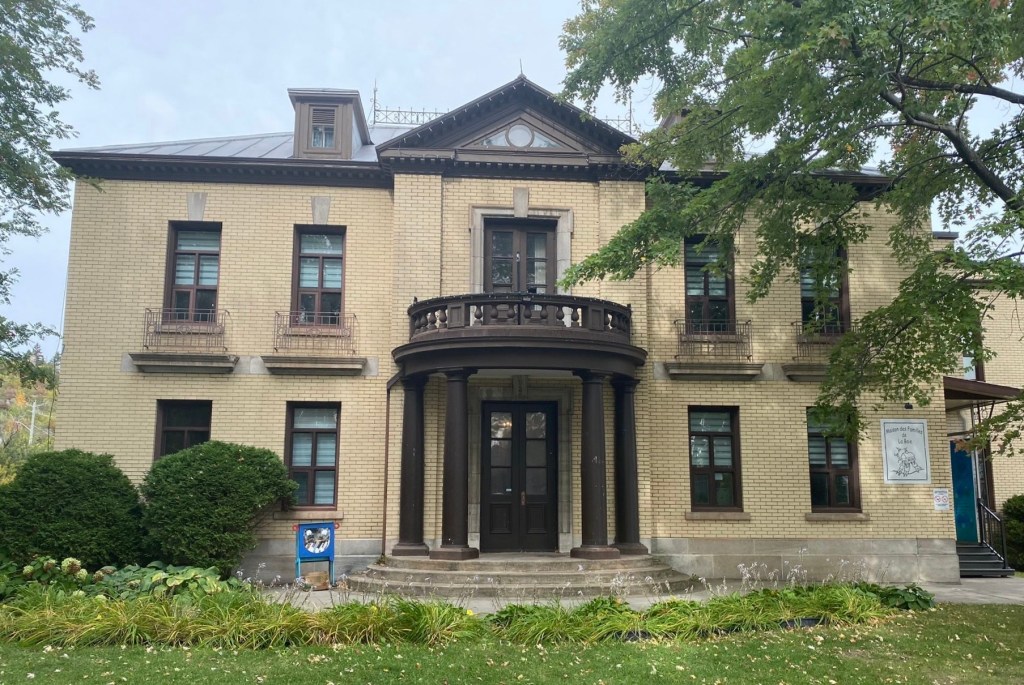
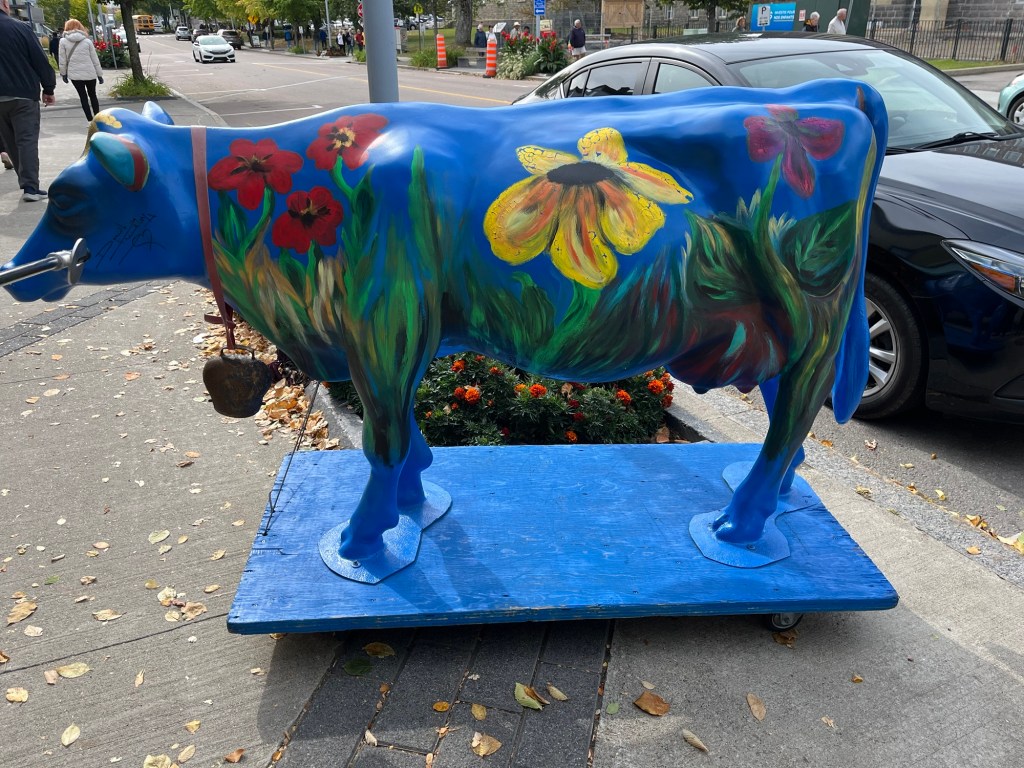
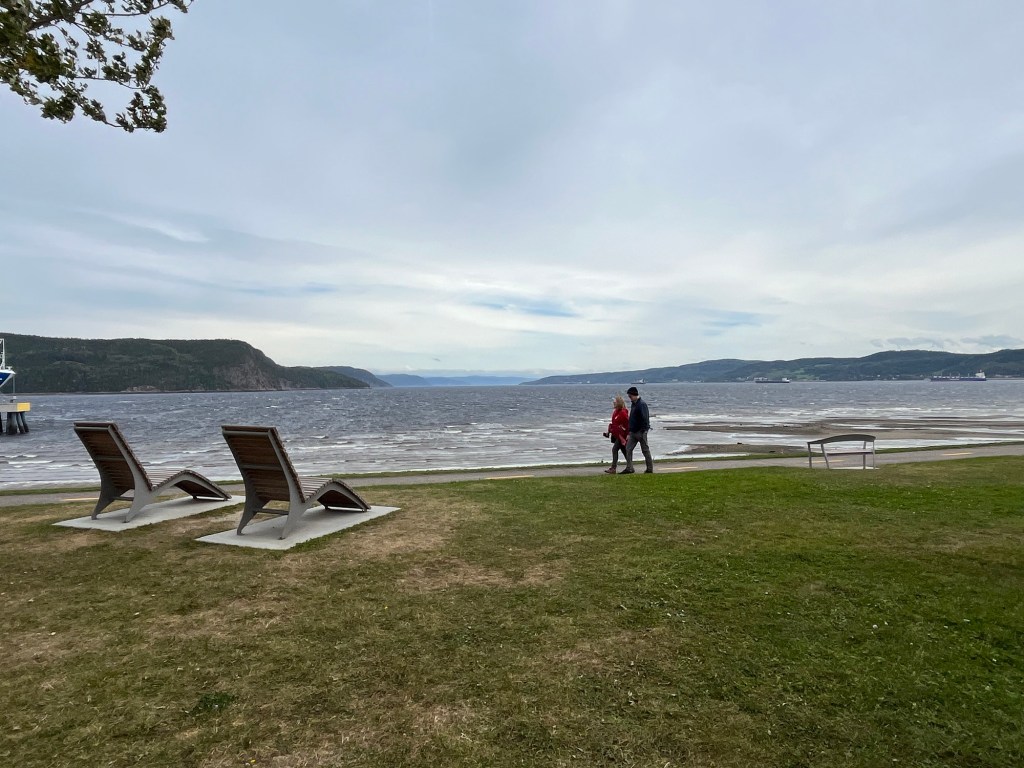
    We arrived early and planned to use the local hop on hop off bus. Unfortunately this was already full by the time we disembarked so are options seemed a bit limited as we had no tour booked. There were several craft stalls at the quayside and local musicians played and samples of black current juice and maple toffee were given out. We decided eventually to just have a stroll around La Baie which was walking distance from the cruise terminal rather than go into the town centre as it was supposed to be a 40 minute drive and there seemed to be a long delay to book taxis.

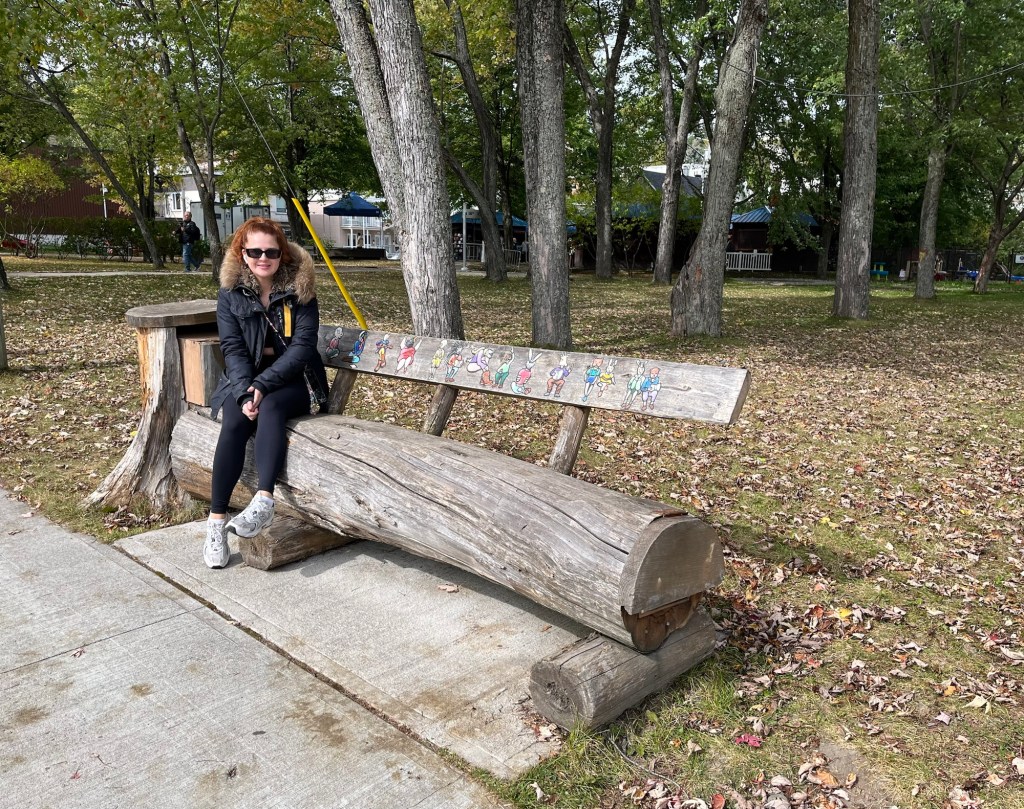
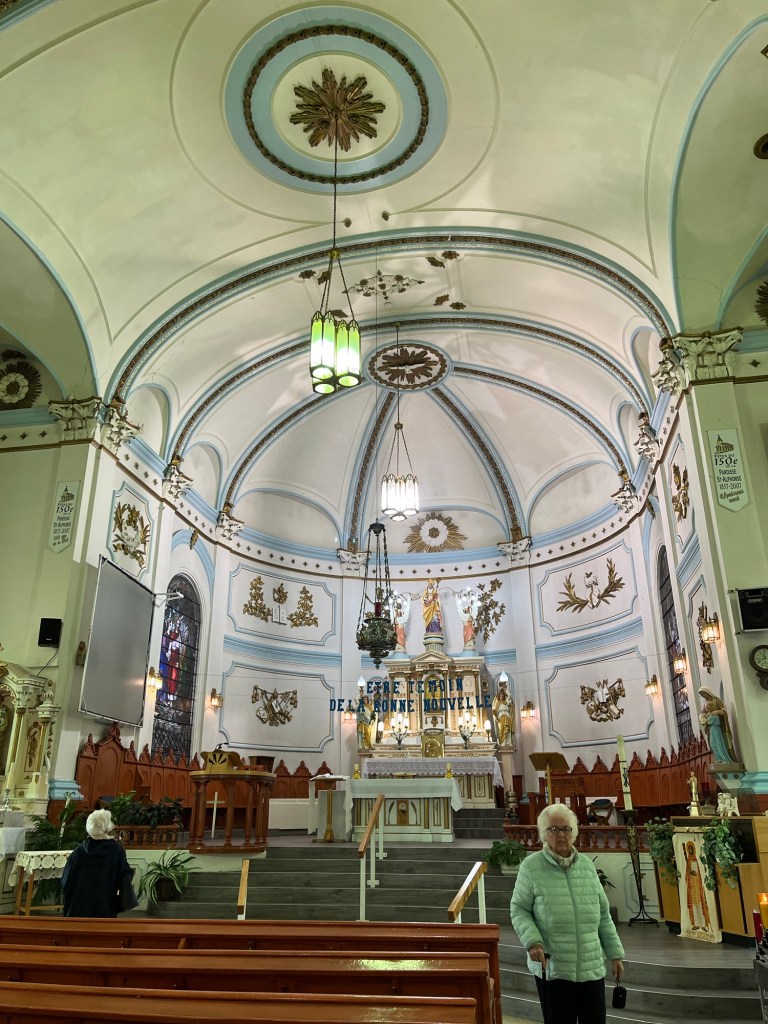
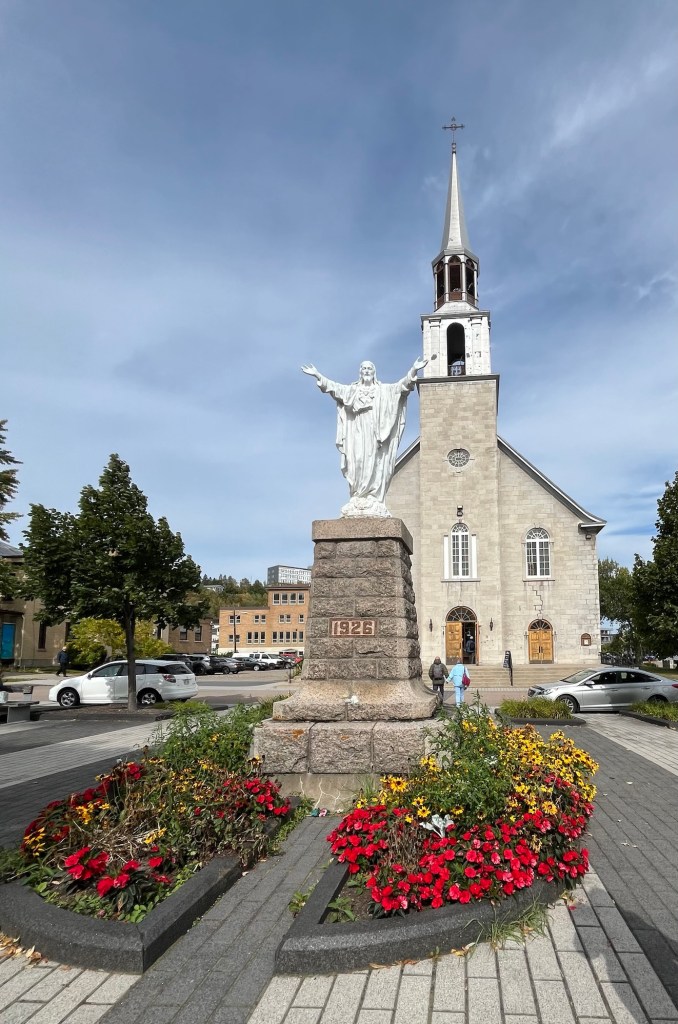
    La Baie was pleasant enough to walk around with a beautiful church and another charming makers market. As we strolled round, there was a picturesque autumnal vibe and the air was fresh and clean. We spent a couple of pleasant hours here before returning to the ship.