The Ancient Dark: The Celtic Roots of Samhain
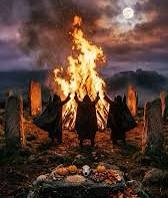
Modern Halloween finds its bloody and visceral roots in Samhain (pronounced ‘sow-in’), a pagan pastoral festival celebrated over 2,000 years ago by the Celts across Ireland, Scotland, and the Isle of Man. Marked from sunset on 31 October to 1 November, Samhain signaled the death of the harvest year and the onset of a brutal, dark winter.
The dark reality of pagan ritual was eventually colonised by the Christian Church. In the 8th century, Pope Gregory III shifted All Saints’ Day (originally celebrated in May) to 1 November. The evening preceding it became All Hallows’ Eve, later compressed into Halloween.
To the Celts, time was cyclical, and the transition between the old year and the new created a liminal space. During this night, the veil separating the physical world from the mythical Aos Sí (the Otherworld) grew dangerously thin. The dead, alongside malevolent spirits, demons, and shapeshifting fairies, breached the boundary to walk among the living.
Blood, Bone, and Flame: Ancient Rituals
The rituals of Samhain were grim measures designed to placate unpredictable deities and protect communities from cosmic terror.
- The Assembly of Tlachtga: The spiritual epicentre of Samhain was the Hill of Ward (Tlachtga) in County Meath, Ireland. Druids gathered here to ignite a massive ceremonial bonfire. All domestic hearths across the land were extinguished and could only be systematically re-lit using embers from this sacred flame.
- The Gate to Hell: At the cave of Oweynagat (the Cat’s Cave) in Rathcroghan, County Roscommon, locals lived in absolute dread of October 31st. They believed the cavern was a literal portal to the underworld, through which copper-skinned monsters, three-headed birds, and destructive spirits emerged to ravage the landscape.
- Human and Animal Sacrifice: As livestock were brought in from summer pastures, the weak were slaughtered. Archaeological findings suggest that crops and animals were cast into the fires as tribute to the gods. More darkly, historians associate the season with ritual killings. The Discovery of Irish bog bodies revealed victims of the ‘threefold death’—simultaneously strangled/wounded, burned, and drowned—hypothesised to be sacrificial kings offered to appease the gods and ensure the return of spring.
The Christian Assimilation and Medieval Metamorphosis
Rather than erasing the existing pagan customs, the Church re-engineered them:
- Guising and Souling: The Celtic tradition of guising—wearing horrific costumes made of animal skins and masks to deceive wandering monsters—fused with the medieval English practice of souling. The poor went door-to-door offering prayers for deceased relatives in exchange for soul cakes.
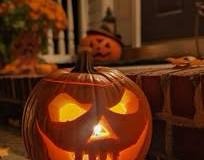
- Vegetable Reliquaries: The iconic pumpkin lantern was originally far more gruesome. In Ireland and Scotland, people carved grotesque, weeping faces into stubborn, pale turnips and large potatoes. Illuminated by a single candle, these heavy roots were placed on doorsteps to ward off wandering entities, or to represent souls trapped in purgatory.
The Present-Day UK and Ireland: From Horror to Commercialization
During the 19th century, millions of Irish and Scottish migrants fled famine and poverty, bringing these grim seasonal traditions to North America. There, the harsh turnip was replaced by the softer, native, and far more pliable American pumpkin.
By the late 20th and early 21st centuries, this Americanised, highly commercialised iteration of Halloween exported itself back to the UK and Ireland. The ancient psychological dread of wandering spirits has transitioned into plastic decorations, packaged confectionery, and Hollywood slasher tropes.
Yet, the ancestral darkness survives under the surface. Massive carnivals like the Derry Halloween Festival in Northern Ireland still use dark storytelling, fire displays, and costumed parades to directly channel the primordial, eerie energy of the original Samhain.


Leave a Reply