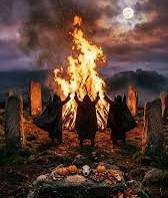
In English and British winter myths, folklore, and seasonal traditions are deeply rooted in pre-Christian pagan beliefs and the turn of the seasons. Long nights were spent around the crackling fireside telling these tales
The Holly King and the Oak King referee to the Battle of the Seasons. In Celtic and British folklore, the year is personified by these two eternal rivals who rule in alternating cycles.
The Solstice Turn
The Holly King rules the dark half of the year from midsummer to the winter solstice, crowned in prickly holly leaves representing strength and masculinity. At the winter solstice, he is defeated by the Oak King, who signals the slow return of the sun, light, and spring.
Evergreen Warding and Faeries
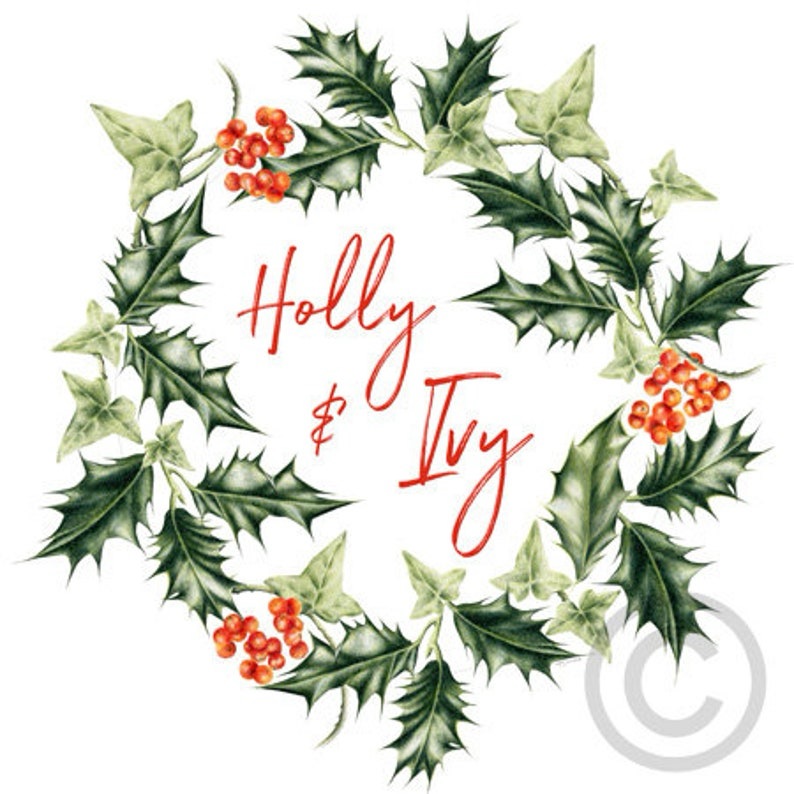
There was great importance given to protecting the hearth. Green boughs like holly, ivy, and mistletoe were brought indoors during midwinter as this ancient custom was thought to offer shelter to forest spirits or ward off evil faeries and malicious household ghosts.
Holly Symbolism: According to traditional lore compiled by organisations such as The Wildlife Trust, holly was hung inside homes not just for decoration, but specifically to keep dark forces and mischievous fae at bay during the longest and coldest nights.
The Hooden Horse and Animal Disguises
In parts of rural England (particularly Kent and East Sussex), the Hooden Horse was a traditional midwinter folk custom where a wooden horse’s head mounted on a pole was carried by someone hidden under a sack or blanket.
Warding Off Spirits
Similar to the Welsh Mari Lwyd (a decorated horse skull on a pole), these visiting animal figures traveled from house to house around midwinter, chanting and exchanging rhymes to bring luck, fertility, and protection to the household for the coming year.
Winter Weather Folklore
Predicting the Cold
English rural tradition is rich with environmental adages used to forecast how harsh a winter would be. For example, traditional sayings recorded by the Old Farmer’s Almanac note beliefs such as heavy mushroom growth in autumn or the width of a woolly bear caterpillar’s stripe acting as a direct indicator of heavy snow or mild months ahead.


Leave a Reply